






































From drought-hit fields of Gujarat to a ₹40,000 crore snack empire, Balaji Wafers is the extraordinary tale of grit, struggle, and the unstoppable hunger for dreams.
In the 1970s, in a small farming family from Gujarat’s Jamnagar district, three brothers — Chandubhai, Bhikhubhai, and Kanubhai Virani — grew up amid poverty and uncertainty, only to rise against all odds and build the Balaji Wafers empire. Their father, Popatbhai, tilled the land, but recurring droughts forced the family to give up farming altogether.
To give his sons a chance, Popatbhai handed them INR 20,000 to start a business. With youthful enthusiasm, the brothers opened a small agricultural equipment trading venture in Rajkot. But misfortune struck early — a supplier duped them with fake products, and they lost everything. The villagers mocked them: “These boys are not cut out for business.”
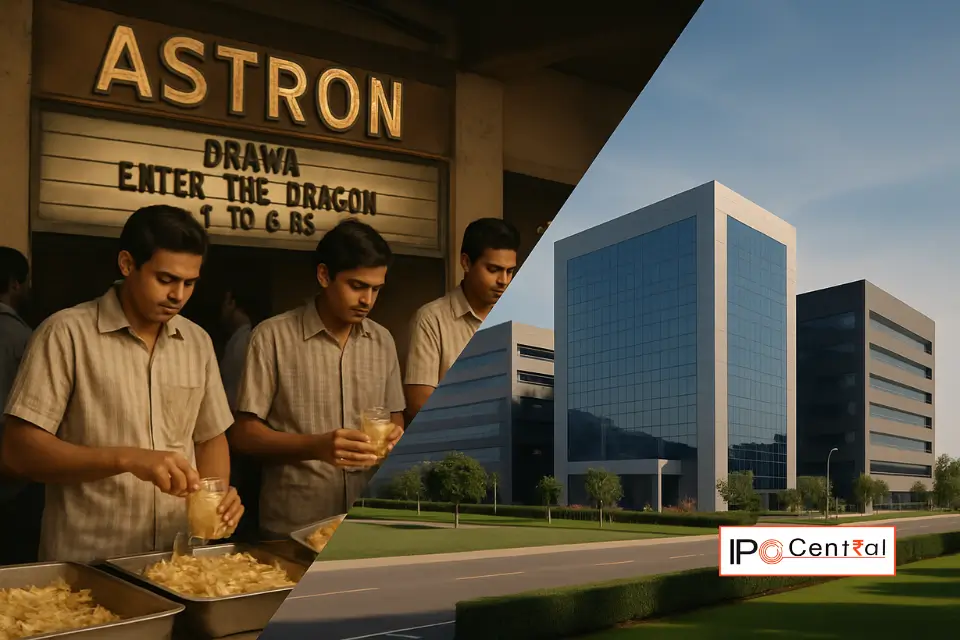
Balaji Wafers Story: Odd Jobs, Big Dreams
Defeated but not broken, the brothers turned to survival jobs:
- repairing torn cinema hall seats,
- pasting film posters,
- manning ticket counters,
- selling samosas and tea at a local cinema canteen.
At times, they survived on just INR 90–100 a month. They had to change homes repeatedly because they couldn’t pay rent. Yet, the Virani brothers learned an invaluable lesson: there is no shame in doing small jobs — the shame is in giving up on big dreams.
Virani Brothers Journey: A Crunchy Idea from the Cinema Canteen
In 1976, the brothers won the contract to run the canteen at Rajkot’s Astron Cinema. It was here that they spotted their big opportunity: the most in-demand snack was potato wafers.
In 1982, they decided to make wafers themselves. With just INR 10,000, a single frying pan, and the courtyard of their modest home, they started. The entire family pitched in — peeling, slicing, frying, and packing chips into small polybags.
They branded their product “Balaji”, after the household idol of Lord Hanuman. Soon, queues outside the cinema were as much for Balaji wafers as for the films inside.
Balaji Wafers Owners Story: From a Courtyard to Industrial Plants
The small-time frying pan gave way to industrial-scale production:
- 1989: First semi-automated plant at Aji GIDC, Rajkot.
- 1992: Formation of Balaji Wafers Pvt. Ltd.
- 1995: Fully automated plant, multiplying capacity.
By the mid-90s, Balaji expanded beyond wafers to include savories like gathiya, sev, chana dal, chevda, and namkeens. The brand spread rapidly from Gujarat to Maharashtra, Madhya Pradesh, and Rajasthan.
Today, Balaji operates multiple plants, producing millions of kilos of chips and snacks every single day.
Balaji Wafers Business Model: A Desi Gambit Against Global Giants
While PepsiCo’s Lay’s and ITC’s Bingo poured millions into advertising, the Virani brothers stuck to their roots:
- Affordable quality — products priced 20–30% lower than global rivals.
- In-house manufacturing — ensuring full control over quality.
- Minimal advertising — relying instead on trust, word of mouth, and distributor loyalty.
- Rural & semi-urban penetration — reaching markets where big brands didn’t bother to go.
The strategy worked. In Gujarat, Balaji became synonymous with wafers — with over 90% market share in the category.
Financials: Crunching the Numbers (FY24)
| Metric | Figure | Trend |
|---|---|---|
| Revenue (Total Sales) | 5,553.3 | ~11% YoY growth |
| EBITDA | 854.4 | ~31.7% growth |
| Net Profit (PAT) | 578.8 | ~41.4% growth |
| Net Worth | 2,414.9 | ~32.8% increase |
| Assets | 2,875.6 | ~24% increase |
| Borrowings | 165.6 | ~24.5% decrease |
| Gross Margin | ~23.5% | steady improvement |
| Net Profit Margin | ~10.4% | solid performance |
| ROE / ROCE | 24% / 28.3% | strong returns |
| Debt-to-Equity | ~0.1 | extremely safe structure |
The numbers show more than growth — they reveal discipline. Balaji kept debt minimal, profits rising, and equity expanding, building one of India’s strongest homegrown FMCG firms.
Balaji Wafers Current Valuation & Future Plans
- Balaji Wafers is valued at INR 40,000–43,000 crore.
- The company is in talks to sell up to 10% stake to private equity investors, fueling its next phase of expansion.
- Balaji Wafers IPO is on the horizon, as the company eyes markets in northern and southern India.
- Already holding ~12% of India’s organized snack market, the company aims to double this share in the coming decade.
Strength on the Ground
- 5,000+ employees, nearly half of them women.
- Dominant market share in western India.
- Strong distribution network across towns, villages, and tier-2/3 cities.
- Competing toe-to-toe with global FMCG giants — without flashy ad campaigns.
Struggle, Grit, and the Taste of Success
Balaji Wafers journey shows that circumstances don’t define destiny — choices and persistence do. From losing their first business to building an INR 40,000-crore snack empire, their story is both entrepreneurial inspiration and cultural symbolism.
What began with INR 10,000 and a frying pan is today India’s very own snack giant. Balaji Wafers is not just about chips — it is about the grit of rural India, the power of affordable quality, and the spirit of turning setbacks into stepping stones.
For millions of youngsters from small towns, the Virani brothers story carries a message: dream big, work harder, and never underestimate the crunch of resilience.
An INSPIRING SUCCESS VENTURE….!!!!! .Very PROUD.