



































In a remarkable stride toward environmental sustainability and fuel safety, researchers from the IIT Guwahati have developed a novel material capable of detecting fuel adulteration and cleaning oil spills. The innovation—centred around a Phase-Selective Organogelator (PSOG) molecule—could revolutionise oil spill remediation and curb one of India’s persistent fuel safety challenges.
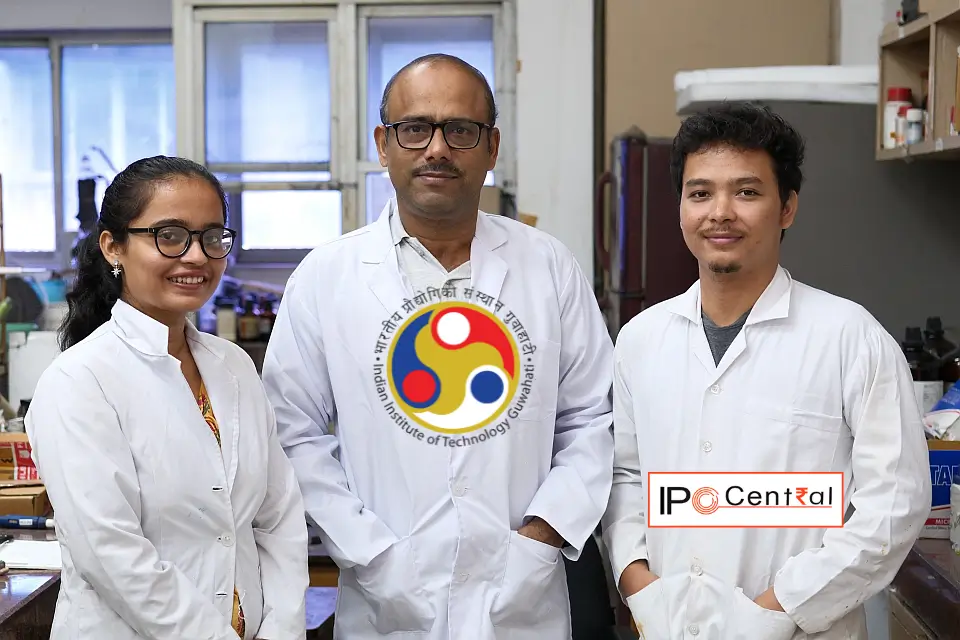
The research findings have been published in the prestigious journal Chemical Engineering, co-authored by Prof. Gopal Das, Professor, Department of Chemistry, along with research scholars Ms. Rubi Moral and Mr. Oiyao Appun Pegu.
A Dual-Purpose Breakthrough: From Pollution to Protection
The newly developed PSOG molecule serves a dual purpose—detecting adulteration of kerosene in petrol and selectively absorbing oil from water. Designed through a hierarchical supramolecular self-assembly process, this special class of safe materials can solidify oil, transforming it into a semi-solid gel that can be effortlessly removed from the water surface without disturbing the ecosystem below.
Explaining the innovation, Prof. Gopal Das noted:
“Our developed PSOG possesses a unique ability to selectively form a gel only in the presence of certain oil samples—namely kerosene and diesel—among a vast range of tested organic solvents and oils. This selectivity could enable targeted recovery of oil from complex mixtures, offering a sustainable method for water remediation and fuel adulteration detection.”
Addressing a Global Environmental Crisis
Oil spills are among the most catastrophic environmental disasters, destroying marine habitats, coastlines, and livelihoods. According to the Oil Tanker Spill Statistics 2024, an estimated 10,000 tons of oil were spilled into the world’s oceans and seas in 2024. Conventional cleanup methods—ranging from chemical absorbents to controlled burning—often result in secondary pollution, further harming fragile ecosystems.
The IIT Guwahati team’s PSOG molecule offers a promising alternative. By mimicking the behaviour of soap molecules that self-assemble in water, PSOG molecules form gels that encapsulate oil molecules. The trapped oil can then be removed cleanly, allowing for efficient separation without chemical contamination.
Tackling Fuel Adulteration – A Persistent National Challenge
In India, kerosene adulteration in petrol remains a widespread problem, particularly in low-income regions where individuals mix kerosene with petrol to reduce costs. This dangerous practice not only degrades engine performance but also poses severe fire hazards. Numerous incidents of kerosene stove explosions have been reported across the country due to adulterated fuels.
The newly developed organogel material can detect kerosene adulteration in petrol, offering a much-needed technological solution to an issue that has persisted for decades. By identifying adulteration swiftly and accurately, it holds the potential to strengthen regulatory enforcement and enhance public safety.
Future Prospects and Research Directions
Looking ahead, the IIT Guwahati research team plans to refine the PSOG molecule’s design and functionality to enhance its efficiency. The next phase of research aims to extend its capabilities to detect various other types of fuel adulteration, making the technology more versatile for industrial and environmental applications.
Prof. Das expressed optimism about the material’s broader potential:
“This work might open new avenues for the development of advanced PSOGs for environmental cleanup and precise detection of fuel adulteration. We envision its future use in large-scale water remediation and oil recovery efforts.”
A Step Toward Sustainable Innovation
The development from IIT Guwahati underscores India’s growing leadership in scientific innovation aimed at tackling real-world environmental and safety challenges. Combining chemistry, environmental science, and engineering, the PSOG material exemplifies how lab-scale innovation can translate into impactful environmental solutions.

This breakthrough, both scientifically significant and socially relevant, not only contributes to global sustainability goals but also reinforces the institute’s legacy of pioneering research for national advancement.
For more details related to IPO GMP, SEBI IPO Approval, and Live Subscription, stay tuned to IPO Central.

Mahesh Yadav is a prolific writer with over a decade of professional experience. A person of wide interests, he found his true calling in the field of investing and specifically the stock market. He has an amazing skill of presenting the most complex financial concepts (and there is no shortage of complexity in investing) in simple language and terms.