
































The Birla family is well-known for its wealth, power, and an unrelenting spirit of entrepreneurship. Originally hailing from the small town of Pilani in Rajasthan, the Birlas made much of their fortune through trading activities out of their native town. Spanning over a century of business evolution, their story is one of bold risks, strategic expansions, and an unwavering commitment to India’s industrial growth.
From the humble beginnings of Shiv Narayan Birla, who traded cotton and opium, to the modern conglomerate empire led by Kumar Mangalam Birla, the Birla family’s influence has shaped India’s economy across industries—textiles, cement, metals, finance, telecommunications, and global manufacturing.
Each generation of the Birla Family has played a significant role in transforming the business landscape, with pioneering ventures, innovative strategies, and monumental contributions to industrialization, education, and philanthropy. This article highlights the fascinating journey of the Birla family tree, tracing the lives and accomplishments of its most influential members.
Table of Contents
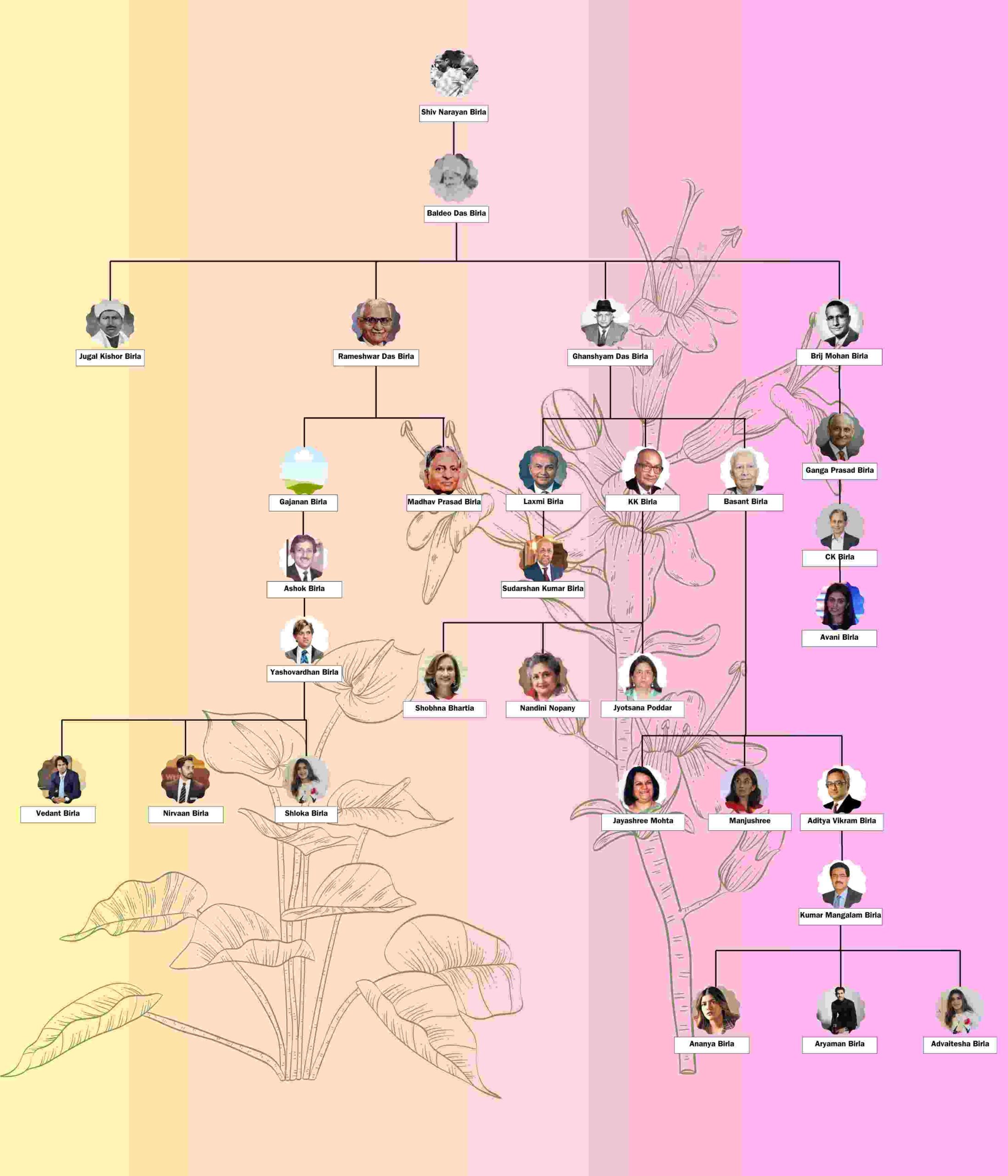
Birla Family Tree
#1 Shiv Narayan Birla: The Foundation of Birla Family
Seth Shiv Narayan Birla was one of the early Indian traders to participate in the cotton trade. Later, Britain vigorously fostered the trade of opium with China and developed the cultivation of poppy seeds in India. Since the Birla family belonged to the Maheshwari community of Bania Vaishya traders, it was natural for the patriarch to foray in the field of trading. He began trading opium with China along with his adopted son Baldeo Das Birla which formed the basis of the family’s fortune. With growing wealth and increasing confidence, Shiv Narayan Birla moved up the value chain and began chartering cargo ships in partnership with other Marwadi tradesmen to trade opium with China, thus bypassing British middlemen.
#2 Baldeo Das Birla
Shiv Narayan (Narain) had passed on the baton of his business interests to his adopted son, Baldev Das Birla, who established Shivnarayan Baldevdas, a trading house based in Bombay. Baldev Das Birla shifted to Calcutta and started Baldevdas Jugalkishor in 1887. Baldeo Das was succeeded by four sons Jugal Kishore, Rameshwar Das, Ghanshyam Das and Braj Mohan. He was awarded the title of Raibahadur in 1917. In 1920, he retired from business and started living in Banaras pursuing religious studies.
Read Also: List of the Oldest Business Families in India
#3 Jugal Kishore Birla
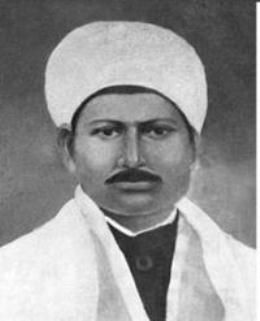
Jugal Kishore Birla was a scion of the Birla family and the eldest son of Baldeo Das Birla. He was an industrialist, philanthropist and a vocal Hindu. He started his business career at an early age, joining his father in Calcutta and soon came to be known as a reputable trader and speculator in opium, silver, spice and other trades from which the Birlas later diversified into trading jute and other items like cotton during and after the First World War, by which time his younger brother Ghanshyam Das Birla had also joined the business. The family firm, which in 1918 was run as Baldeodas Jugalkishore, was made into a limited company known as Birla Brothers Limited.
#4 Rameshwar Das Birla
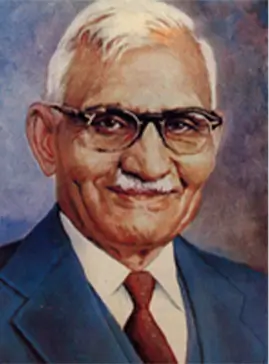
He was the second son of Baldeo Das Birla and the father of Madhav Prasad Birla and Gajanan Birla. Birla’s decision in 1922 to remarry following the death of his first wife caused an ostracism in the Maheshwari caste of which his family were a member. They were outcasts in the community as his new wife was a Maheshwari herself and thus the Birla were seen as having broken the caste rules of marriage.
Rameshwar Das Birla expanded the family business empire particularly in textile and sugar. He was known for his contributions to education and healthcare and established many institutions including famous Bombay Hospitals and schools.
#5 Ghanshyam Das Birla
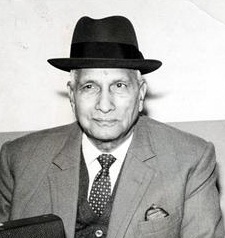
Ghanshyamdas Birla laid the foundation of his industrial empire by establishing GM Birla Company, trading in jute, in 1911. In the next few years, he acquired several cotton mills. He later started several sugar mills. Hindustan Times was co-founded by GD Birla in 1924 and fully acquired by him in 1936. Hindustan Motors was started in 1942. After India became independent in 1947 he started Grasim (Gwalior Rayon Silk Manufacturing 1948) and Hindalco (Hindustan Aluminium Company 1958) among others. Ghanshyam Das was the most successful of the four brothers.
Read Also: Ghanshyam Das Birla History, Education, Grandchildren & Organisations
#6 Brij Mohan Birla
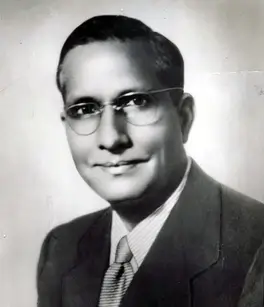
Brij Mohan Birla was an industrialist and philanthropist and was one of the scions of the Birla family. He was the youngest and 4th son of Baldeo Das Birla. Over the years, he played a big role in the Indian business landscape. He was the Chairman of Hindustan Motors, Ruby General Insurance, India Exchange and NBC Bearings and was on the board of many other Birla companies.
He founded Hindustan Motors in 1942 and NBC Bearings in 1946 and laid the foundation of industrial growth in India. The CK Birla Group is a branch of the Birla family. He was also the President of Indian Chamber of Commerce in 1936 and Federation of Indian Chambers of Commerce & Industry in 1954.
Read Also: Tata Group Companies: Comprehensive List of All Companies Under Tata Group
#7 Madhav Prasad Birla
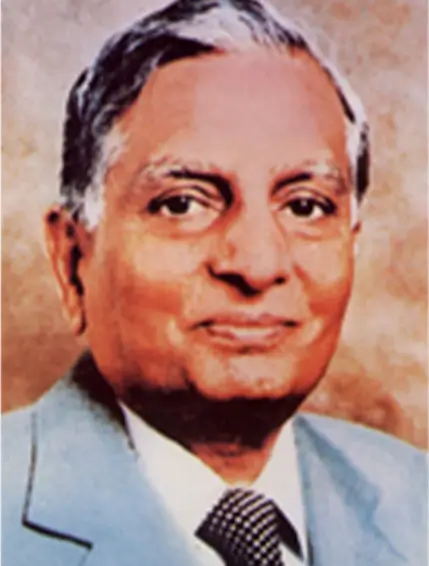
Birla’s business empire was expanded by Madhav Prasad Birla. He started the MP Birla Group by focusing on cement, jute and telecommunications. Under his leadership the group’s industrial growth was led by Birla Corporation Limited.
Madhav Prasad Birla was born on 4th July 1918 in Mumbai. MP Birla was married to Smt. Priyamvada Devi. He established a number of businesses, including Birla Corporation, Universal Cables, Vindhya Telelinks, Hindustan Gum & Chemicals, Digvijay Woollen Mills, and Indian Smelting. He also founded several schools in Calcutta and Birla Planetarium & Belle Vue Clinic। He was also vice chair of Bombay Hospital Trust.
Read Also: Murugappa Group of Companies: Complete List & Business Verticals
#8 Lakshmi Niwas Birla
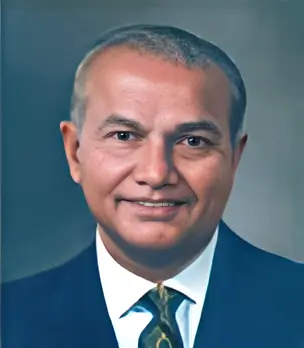
Lakshmi Niwas Birla (11 July 1909 – 29 August 1994) was an Indian industrialist, philanthropist, writer and art connoisseur. He was the eldest son of Ghanshyam Das Birla and Durgadevi and was later adopted by his uncle Jugal Kishore Birla. He married Sushila Devi and had a son Sudarshan Kumar Birla born in 1934.
In business Lakshmi Niwas Birla held many important positions, he was the president of Indian Chamber of Commerce in 1951 and Federation of Indian Chambers of Commerce & Industry (FICCI) in 1967. Besides business he was very fond of writing and wrote many books in English and Hindi. He was also an art lover and had a big collection and was a patron.
As a philanthropist he contributed to many causes. He funded the construction of Hindu temples and provided idols for a temple in Durban. In 1941, he founded Birla High School also known as Hindi High School. Lakshmi Niwas Birla’s multi-faceted legacy includes significant contributions to industry, literature, art and philanthropy in India.
#9 Krishna Kumar Birla
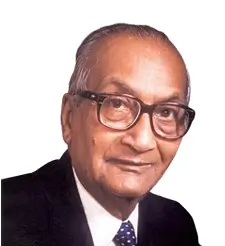
Krishna Kumar Birla (1918-2008) was a renowned industrialist, parliamentarian and philanthropist. He was the son of Ghanshyam Das Birla. Krishna Kumar Birla played a key role in India’s industrial growth, particularly in sugar, fertilizers, textiles and engineering. He headed the Zuari-Chambal-Paradeep fertilizer group and was a member of the Rajya Sabha for three terms (1984-2002). He was a strong advocate of education and literature and founded the KK Birla Foundation and was the long time Chancellor of BITS Pilani. His autobiography Brushes with History reflects his contributions to business, politics and society.
#10 Basant Kumar Birla
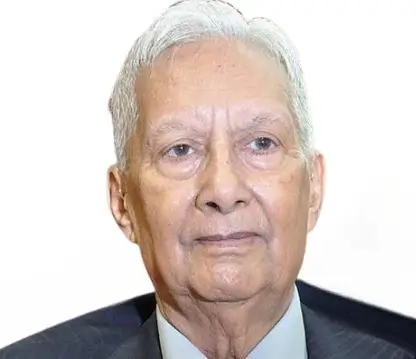
Basant Kumar Birla, Ghanshyam Das Birla’s youngest son, was involved in several companies from the age of 15. As the chairman of Kesoram Industries he worked on refractory, paper, shipping, tyrecord, tracing paper, cement, tea, coffee, cardamom, chemicals, plywood, MDF board etc. He founded the Indo-Ethiopian Textiles Share Company in 1959 which was the first joint venture by an Indian industrialist.
On 13th April 1942 Basant Kumar Birla married Sarala, the daughter of activist Brijlal Biyani. They had a son Aditya Vikram Birla and two daughters Jayashree Mohta and Manjushree Khaitan.
#11 Ganga Prasad Birla
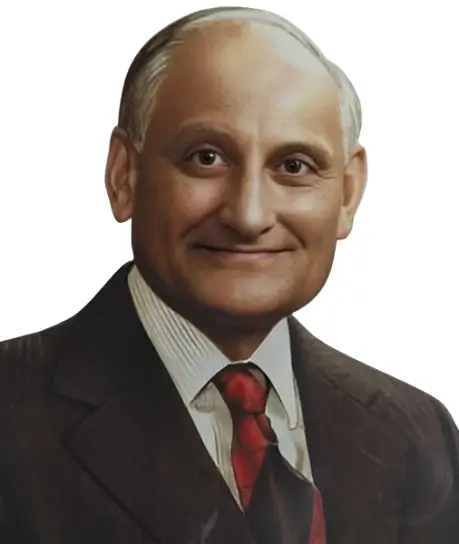
Ganga Prasad Birla (1922-2010) was an Indian industrialist and a part of the Birla family’s business empire. He joined the board in 1942 and became the chairman in 1957. He joined the group’s flagship Hindustan Motors in 1969 and became its chairman in 1982.
He also founded Hyderabad Industries Limited and several educational institutions including Birla Institute of Technology, Birla Archaeological and Cultural Research Institute, Modern High School for Girls in Kolkata, BM Birla Heart Research Institute and Calcutta Medical Research Institute. He built temples in Hyderabad, Jaipur and Bhopal and supported the restoration of places of religious, historical and architectural importance.
#12 Sudarshan Kumar Birla
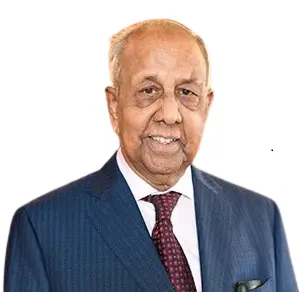
Born in 1934, Sudarshan Kumar Birla is a member of the Birla family and an industrialist. He is the head of the SK Birla group which had many companies including Xpro India, Mysore Cement, Birla Eastern, Digvijay Woollen Mills, DIGJAM and Nabin Industries.
He is GD Birla’s eldest grandchild and son of Lakshmi Niwas Birla. Even though he has majority share in SK Birla group, he handed over the leadership to his son Siddharth Birla in 2010. He became the president of FICCI in 1990.
#13 Aditya Vikram Birla
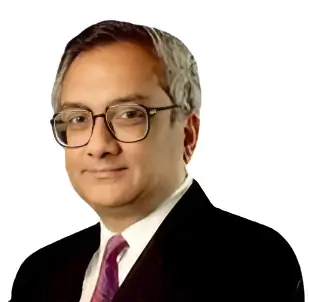
Aditya Vikram Birla, son of Basant Kumar Birla, forayed into telecom, petrochemical and textile industries. He established plants in Southeast Asia, the Philippines, and Egypt, making him one of the first Indian businessmen to go global. Birla founded the group’s first foreign business, Indo-Thai Synthetics Company in 1969.
He founded P.T. Elegant Textiles in 1973 to produce spun yarn. It was the first time the group had visited Indonesia. The Group’s Viscose Rayon Staple Fibre company, Thai Rayon, was set up in Thailand in 1974. The first Indo-Filipino joint company, The Indo-Phil Group of Companies, started spinning yarn in 1975. After being incorporated in Malaysia in 1977, Pan Century Edible Oils grew to become the biggest palm oil refinery in the world. Thai Carbon Black was established in Thailand in 1978. All of these endeavours not only made the Birla group famous worldwide, but they also made the company one of the biggest refiners of palm oil and producer of the staple fibre viscose.
Under the leadership of Aditya Vikram Birla, the Birla group of companies successfully expanded Hindustan Gas and rescued Indo-Gulf Fertilisers and Chemicals Ltd.
#14 Chandra Kant Birla
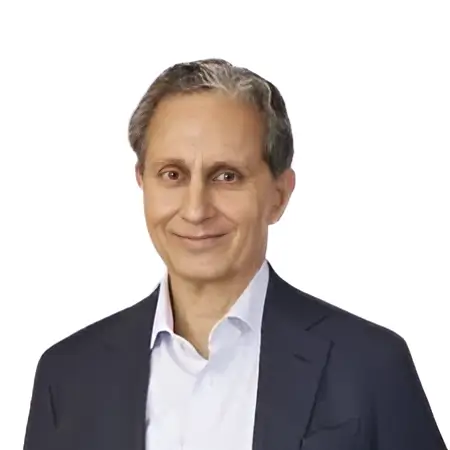
Businessman and philanthropist Chandra Kant Birla is the chairman of the CK Birla Group, a conglomerate with holdings in technology, healthcare, education, and building and home goods. He is at the helm of the CK Birla family tree in addition to being the chairman of several other businesses that are part of the group. These include Orient Cement, National Engineering Industries (which makes NBC Bearings), Orient Electric, Orient Paper & Industries, AVTEC, a manufacturer of auto parts, HIL, a manufacturer of building materials, and Neosym, a metal manufacturing company.
He is a member of Birlasoft’s board of directors. He worked in a variety of capacities at Hindustan Motors (HM), which his family founded and which produces the popular Ambassador automobile in India.
Read Also: Full List of CK Birla Group Companies and What They Actually Do
#15 Yashovardhan Birla
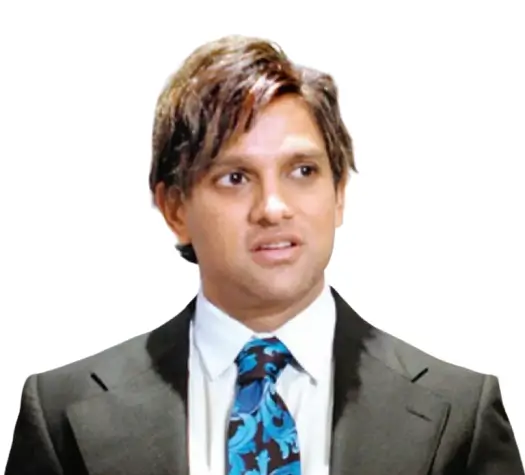
Based in Mumbai, Maharashtra, the Yash Birla Group is an Indian industrial company. Yashovardhan Birla is its chairman. Steel pipes, machine tools, cutting tools, tool holders, iron castings, power solution products, multipurpose engines, pumps, electrical appliances, textiles, carpets, furnishings, lifestyle, infotech, publishing, travel, electricity, property development, cotton ginning, and other industries are among the many industries in which the group has a varied interest.
In India, the group currently has ten publicly listed entities. Zenith Birla (India) – the flagship company of Yash Birla group – started producing production in 1962. Now renamed Zenith Steel Pipes Industries, the company is a pioneer in the production and export of hollow sections, steel pipes, and tubes from India. Khopoli, Tarapur, and Murbad are the locations of the company’s plants. Birla Power is another group company, although it has become defunct now.
#16 Kumar Mangalam Birla
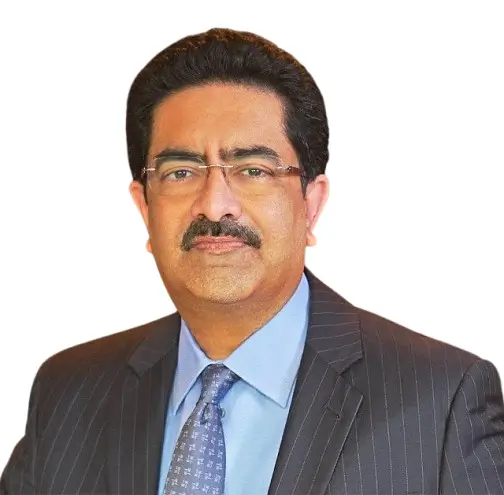
Kumar Mangalam Birla is an Indian billionaire industrialist, philanthropist, and chairman of the Aditya Birla Group. He also serves as the chancellor of BITS Pilani and was formerly the chairman of IIM Ahmedabad. He took over the Aditya Birla Group in 1995 at age 28 after his father’s passing, making him the current head of the Aditya Birla family tree. Birla’s leadership has taken Aditya Birla Group to multiple industries and made it a global conglomerate.
Under his leadership, the group expanded significantly through acquisitions:
- 2000: Acquired Indian Aluminum Company (INDAL)
- 2003: Hindalco acquired Nifty Copper Mines (Australia), and Aditya Birla Group acquired Mount Gordon Copper Mines (Australia)
- 2004: Acquired L&T Cement (renamed UltraTech Cement) and merged Indian Aluminium Company with Hindalco
- 2007: Hindalco acquired Novelis Inc (global leader in aluminium rolled products)
- 2012: Acquired Future Group’s Pantaloon Retail
- 2013: Aditya Birla Chemicals acquired chlor-alkali and phosphoric acid units of Solaris Chemtech
- 2017: UltraTech Cement acquired Jaiprakash Associates’ cement plants, and Birla revived Applause Entertainment (content and media venture)
- 2018: Idea Cellular merged with Vodafone India, forming Vodafone Idea, India’s largest telecom provider
Conclusion
The Birla family’s legacy is deeply woven into the fabric of India’s industrial and social development. From modest beginnings in Pilani to building one of the country’s most influential business dynasties, the Birlas have left an indelible mark across industries—textiles, cement, education, finance, and beyond. Each generation has not only expanded the family’s enterprise but also contributed meaningfully to nation-building through philanthropy, institution-building, and public service. As the legacy continues under the leadership of Kumar Mangalam Birla and other successors, the Birla name remains a symbol of resilience, vision, and transformative impact in both Indian and global contexts.