






























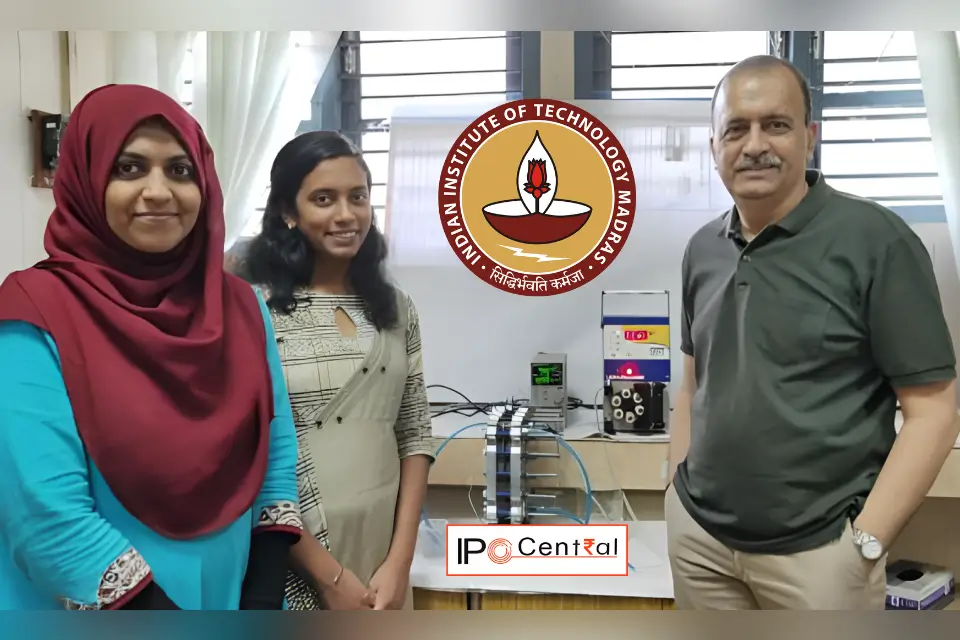
In a breakthrough that could change the face of renewable energy, researchers at IIT Madras have developed a method to generate hydrogen from seawater using solar energy. Published in ACS Applied Energy Materials and led by Professor Ramaprabhu Sundara from the Department of Physics, this solves the long-standing problems of hydrogen electrolysis – freshwater dependence, high energy cost and material degradation.
Why This Matters: The Hydrogen Economy
Hydrogen has been called the “fuel of the future”. Unlike fossil fuels, it produces only water when burned, making it a key enabler for decarbonising hard-to-abate sectors like steel, cement and shipping. But conventional alkaline water electrolysis is expensive, energy-intensive and dependent on fresh water – a resource that is getting scarce globally.
IIT Madras’ breakthrough is to make the process cost-efficient and scalable by using seawater, which covers 97% of the Earth’s surface.
The Science Behind the Breakthrough
The research team addressed three key challenges:
- Electrode Corrosion: Traditional metal supports corrode in seawater. They replaced them with carbon-based support materials, which virtually eliminated corrosion.
- Catalyst Efficiency: Using transition metal-based catalysts, the electrolyser accelerates hydrogen and oxygen evolution reactions even when impurities interfere. Importantly, these catalysts suppress hypochlorite formation, a side reaction that reduces oxygen output.
- Expensive Separators: Conventional electrolysers use costly zirconium oxide-polymer separators. The IIT team used a cellulose-based separator, which is resistant to seawater degradation and economically viable.
Together, these innovations allowed the system to harness photovoltaic-derived voltage and split seawater into hydrogen and oxygen efficiently.
IIT Madras Seawater Electrolyzer: Performance Metrics
- Electrolyser Efficiency: Seawater splitting at 1.73 V with a benchmark current density of 10 mA/sq.cm (comparable to ~12% solar to fuel conversion efficiency).
- Prototype Output:
- Small cell (16 sqcm): 250 ml/hour.
- Large cell (391 sqcm): 1 litre/hour.
- Stack of 3 cells: 4 litres/hour at 2 V per cell.
- Shelf Life: More than 6 months at room temperature and ambient pressure.
Market Impact
From an investment perspective, IIT Madras innovation could be a game-changer for India’s green hydrogen mission, which targets 5 million tonnes of green hydrogen by 2030. If commercialised, this technology can reduce the input cost by eliminating freshwater and expensive imported materials.
- Energy Sector: Companies like NTPC, Reliance and Adani, who have already announced billion-dollar hydrogen projects, will benefit from cost reduction.
- Renewables: Solar manufacturers will see downstream demand as photovoltaics get integrated into hydrogen production units.
- Global Export Potential: With abundant sunlight and coastlines, India can position itself as a hydrogen exporting hub, rivalling countries like Australia and Saudi Arabia.
Challenges Ahead
Though promising, scaling up laboratory prototypes to an industrial scale will require:
- Long-term testing under real-world seawater conditions.
- Partnerships with industry to develop large-scale electrolysers.
- Regulatory support and subsidies to make it financially viable in the early stages.

Conclusion
The IIT Madras seawater electrolysis innovation is not just a scientific milestone—it’s potentially a strategic lever for India’s energy independence. By merging solar power with seawater electrolysis, the institute has taken a decisive step toward democratizing hydrogen production. If commercial pathways are realised, this could accelerate India’s journey to becoming a global green hydrogen leader.
For more details related to IPO GMP, SEBI IPO Approval, and Live Subscription stay tuned to IPO Central.