



























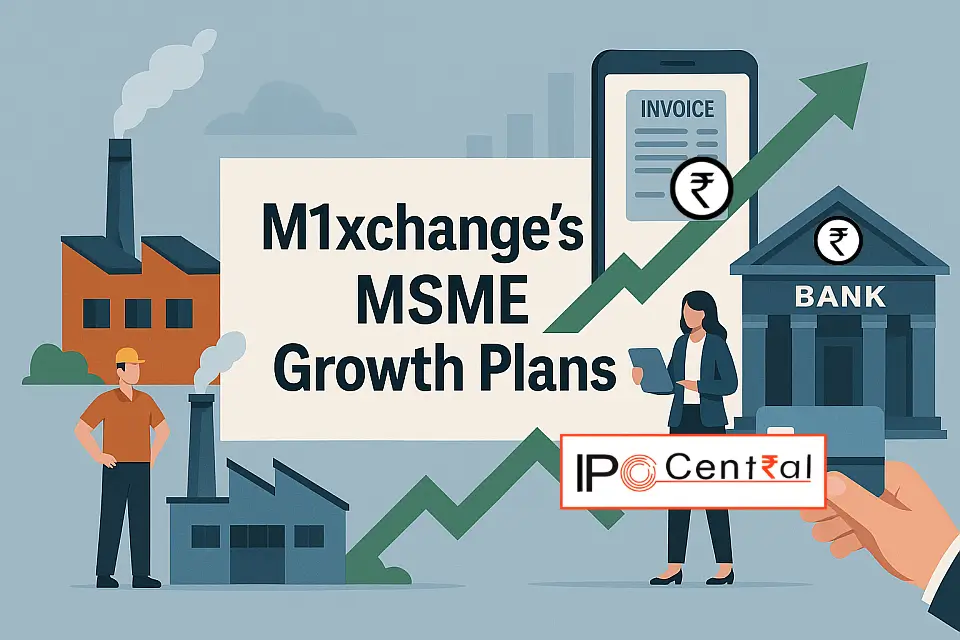
M1xchange, one of India’s largest RBI-licensed Trade Receivables Discounting System (TReDS) platform, is looking to add over 1 lakh micro, small and medium enterprises (MSMEs) by the first half of next fiscal.
The digital invoice discounting platform launched in April 2017 has so far facilitated trade receivables worth INR 2 lakh crore for over 60,000 MSMEs and has been helping to ease working capital constraints for the sector.
Growth and Targets
Some reports suggest the platform is adding around 1,000 MSMEs every month. By March 2026, the company expects to have around 70,000 MSMEs on board, and cross 1 lakh by the first half of FY27.
M1xchange is looking to disburse INR 1.25 lakh crore in FY26, a 70% jump from INR 78,000 crore in FY25. Monthly, the platform is now doing around INR 10,000 crore of invoice discounting.
Read Also: Amazon-Backed TreDS Platform M1xchange Lands INR 85 Cr from Filter Capital
Wide Participation Across Corporates and Banks
The platform’s strength lies in its diverse ecosystem. Over 3,000 corporates, including public sector undertakings (PSUs), multinational companies (MNCs), and large domestic players, are active participants. Complementing them are 69 banks and non-banking financial companies (NBFCs), both Indian and foreign, that bid for verified invoices uploaded by MSMEs.
Srivastava highlighted that this structure not only accelerates liquidity for small businesses but also ensures competitive interest rates, making it a “win-win” for financiers and enterprises alike.
Notably, M1xchange boasts an exceptionally low non-performing asset (NPA) ratio. Of the INR 2 lakh crore financed till date, only INR 32 crore has turned into NPAs—better than even the best-performing banks.
Regional and Sectoral Footprint
M1xchange has made good progress in MSME-rich states like West Bengal, UP, Rajasthan, Tamil Nadu and Maharashtra. In West Bengal alone M1xchange has done transactions of nearly INR 20,000 crore. With MSME credit in the state expected to cross INR 2 lakh crore this year, the exchange expects to go deeper in such markets.
RBI which introduced TReDS in 2017 oversees the system to ensure transparency and accountability. Under the framework corporates offer credit up to 180 days and financiers discount the bills and release funds to MSMEs quickly.
Read Also: M1xchange Partners with Gujarat Government to Boost MSME Financing
Eye on IPO and Investments
While expanding its MSME base remains a priority, M1xchange is also preparing for its long-term growth trajectory. Chief Executive Officer Sundeep Mohindru has indicated plans for an initial public offering (IPO) within the next 3–5 years, depending on market conditions.
The company has been profitable for the last 2 years and has already attracted strategic investors. Growth stage investor Filter Capital recently invested USD 10 million (INR 85 crore) in the platform. Earlier Jindal Stainless along with its subsidiary Jindal Stainless Steelway acquired 9.62% stake.
The Bigger Picture
With India’s supply chain finance sector growing rapidly, platforms like M1xchange are emerging as critical enablers for MSMEs. Factoring and invoice discounting—where receivables are financed by third-party lenders at a discount—are becoming mainstream, offering enterprises much-needed liquidity while reducing risk for financiers.
As Srivastava aptly summed up: “Our platform has become a backbone for MSMEs to manage their cash flows efficiently. With strong corporate and banking participation, we are confident of crossing the one lakh MSME mark by the first half of FY27.”
For more details related to IPO GMP, SEBI IPO Approval, and Live Subscription, stay tuned to IPO Central.